
Carbon Oxygen Demand Standards

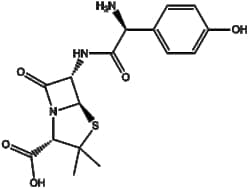
Apexbio Technology LLC Amoxicillin 26787-78-0 10g
Amoxicillin (26787-78-0) is a small-molecule inhibitor targeting bacterial penicillin-binding proteins (PBPs) It is designed to disrupt bacterial cell wall biosynthesis thereby impairing peptidoglycan cross-linking and compromising cell wall integrity Amoxicillin exerts its biological activity primarily through inhibition of PBPs interfering with the processes critical to bacterial cell wall formation In in vitro studies Amoxicillin demonstrates inhibitory activity with IC50 values ranging from 0 1 to 5 g/mL depending on experimental conditions and organism susceptibility Based on these pharmacological properties Amoxicillin holds research potential in studies of bacterial infection mechanisms antimicrobial responses and resistance development

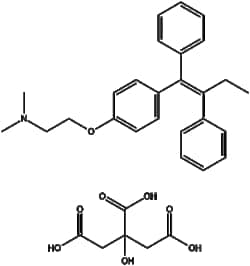
Apexbio Technology LLC Tamoxifen Citrate 54965-24-1 10g
Tamoxifen Citrate (CAS 54965-24-1) is a small-molecule antagonist targeting estrogen receptors (ER) It is designed to competitively bind ER thereby modulating estrogen-mediated signal transduction Tamoxifen Citrate exerts its biological activity primarily by inhibiting the transcriptional activity of estrogen-responsive genes leading to reduced synthesis of factors related to cell growth and angiogenesis In in vitro studies Tamoxifen Citrate demonstrates inhibition of cell proliferation with reported IC50 values typically ranging from 3 to 7 M depending on cell line and experimental conditions Based on these pharmacological properties Tamoxifen Citrate holds research potential in studies of estrogen receptor-dependent signaling pathways and anti-tumor strategies particularly in breast cancer models
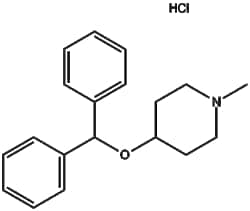
Apexbio Technology LLC Diphenylpyraline HCl 132-18-3 10g
Diphenylpyraline HCl (CAS 132-18-3) is a small molecule classified within the diphenylpiperidine group and functions as a first-generation antihistamine It acts by competitively inhibiting histamine H1 receptors thereby attenuating histamine-mediated cellular responses In addition to its antihistaminic activity diphenylpyraline exhibits anticholinergic properties influencing neurotransmitter regulation within the central and peripheral nervous systems This compound is widely utilized in the study of histaminergic and cholinergic pathways as well as for elucidating mechanisms underlying allergic reactions and central nervous system disorders
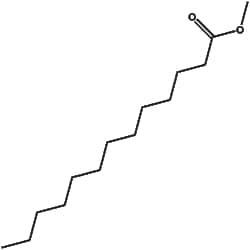
Apexbio Technology LLC Methyl tridecanoate 1731-88-0 10g
Methyl tridecanoate (CAS 1731-88-0) is a small-molecule inhibitor targeting -amyloid protein aggregation and acetylcholinesterase (AChE) It is designed to moderately inhibit -amyloid aggregation and weakly inhibit AChE activity Methyl tridecanoate exerts its biological activity primarily through inhibition of -amyloid aggregation and AChE enzymatic function [No experimental model/cell line or IC50/EC50 reported ]Based on these pharmacological properties methyl tridecanoate holds research potential in neurodegenerative disease models and lipid metabolism studies
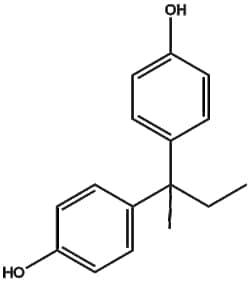
Apexbio Technology LLC Bisphenol B 77-40-7 10g
Bisphenol B (CAS 77-40-7) is a synthetic bisphenol compound structurally analogous to bisphenol A It functions as an endocrine-disrupting chemical by binding to and activating estrogen receptors thereby mimicking the action of endogenous estrogens and potentially altering hormonal signaling pathways Owing to these properties Bisphenol B is widely utilized in toxicological and biomedical research to investigate endocrine disruption reproductive toxicity and possible health risks associated with environmental exposure to bisphenol analogues Its study supports risk assessment and informs regulatory evaluations of bisphenol-related substances
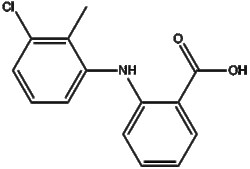
Apexbio Technology LLC Tolfenamic Acid 13710-19-5 10g
Tolfenamic acid (CAS 13710-19-5) is a non-steroidal anti-inflammatory drug (NSAID) that functions primarily through the inhibition of cyclooxygenase (COX) enzymes resulting in reduced prostaglandin synthesis and inflammation In cellular studies tolfenamic acid has been observed to inhibit cell proliferation and promote apoptosis as indicated by heightened caspase activity and alterations in bioelectric impedance measurements These findings support its utility in research investigating inflammatory pathways apoptosis induction and the cellular effects of NSAIDs in various biological systems
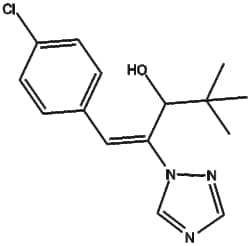
Apexbio Technology LLC Uniconazole 83657-22-1 10g
Uniconazole (CAS 83657-22-1) is a small-molecule inhibitor of cytochrome P450 707A enzymes (CYP707As) which are involved in the catabolism of abscisic acid (ABA) via 8 -hydroxylation In in vitro assays uniconazole demonstrated potent inhibition of CYP707A3 activity with a reported Ki of 68 nM surpassing other plant growth retardants such as paclobutrazol and tetcyclacis In Arabidopsis models uniconazole treatment elevated endogenous ABA levels and enhanced drought tolerance effects that were independent of gibberellin-mediated pathways Uniconazole is therefore utilized in plant biology research to study ABA metabolism and stress responses
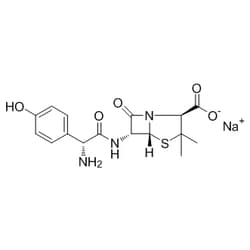
Apexbio Technology LLC Amoxicillin Sodium 34642-77-8 10g
Amoxicillin Sodium (CAS 34642-77-8) is a small-molecule inhibitor targeting bacterial cell wall biosynthesis It is designed to disrupt peptidoglycan formation thereby compromising bacterial cell wall integrity Amoxicillin Sodium exerts its biological activity primarily through inhibition of peptidoglycan biosynthesis leading to bacterial lysis and cell death In in vitro studies Amoxicillin Sodium demonstrates broad-spectrum antibacterial inhibitory activity with IC50 values ranging from 0 1 g/mL to 10 g/mL depending on bacterial strain variability and experimental conditions Based on these pharmacological properties Amoxicillin Sodium holds research potential in bacterial physiology characterization antibiotic resistance evaluations and in vitro infection modeling studies
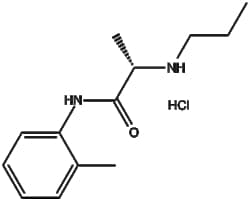
Apexbio Technology LLC Prilocaine hydrochloride 1786-81-8 10g
Prilocaine hydrochloride (CAS 1786-81-8) is a local anesthetic belonging to the amino amide class It functions by reversibly inhibiting voltage-gated sodium channels on neuronal cell membranes thereby blocking the initiation and propagation of nerve impulses This property makes it suitable for investigating neuronal excitability pain signaling and ion channel pharmacology in various preclinical models Prilocaine hydrochloride is commonly employed in studies requiring local anesthesia and serves as a reference compound for benchmarking novel anesthetic agents in research settings

Apexbio Technology LLC Solutol HS-15 61909-81-7 10g
Solutol HS-15 (CAS 61909-81-7) is a nonionic surfactant composed of polyethylene glycol esters of 12-hydroxystearic acid Functioning by enhancing solubilization and membrane permeability Solutol HS-15 increases the aqueous solubility and bioavailability of poorly water-soluble compounds It facilitates transmembrane transport and promotes drug absorption by improving drug stability and modulating drug release profiles Due to its favorable biocompatibility and low cytotoxicity Solutol HS-15 is widely utilized as a pharmaceutical excipient in formulation research particularly for the delivery and controlled release of hydrophobic therapeutics

Hach Company COD Standard Solution, 1000 mg/L as COD (NIST), 200 mL
For accuracy checks in Chemical Oxygen Demand determinations. 200 mL bottle


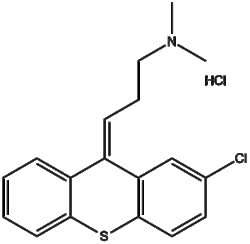
Apexbio Technology LLC Chlorprothixene (hydrochloride) 6469-93-8 10g
Chlorprothixene hydrochloride (CAS 6469-93-8) is a small-molecule antagonist targeting dopamine (D1 D2 D3 D5) and histamine H1 receptors It modulates neurotransmission by blocking these receptors thereby regulating dopaminergic and histaminergic pathways Chlorprothixene hydrochloride exerts its biological activity primarily through receptor antagonism In in vitro studies it demonstrates nanomolar affinity with Ki values of 18 nM (D1) 2 96 nM (D2) 4 56 nM (D3) 9 nM (D5) and 3 75 nM (H1) Additionally it reduces SARS-CoV viral replication (IC50 13 0 18 5 M depending on strain) Based on these pharmacological properties chlorprothixene hydrochloride holds research potential in antipsychotic therapy antiviral investigation and modulation of inflammation in cystic fibrosis models
Cambridge Isotope Laboratories Fortified Cod Liver Oil Reference Material 10 g
Fortified Cod Liver Oil Reference Material 10 g
